NIGERIAN ELECTRONIC MEDIA CONTENT EXHIBITION AND AWARDS (NEMCEA)
RADISSON BLU HOTEL, 38 ISAAC JOHN ST. IKEJA, LAGOS
About The Event
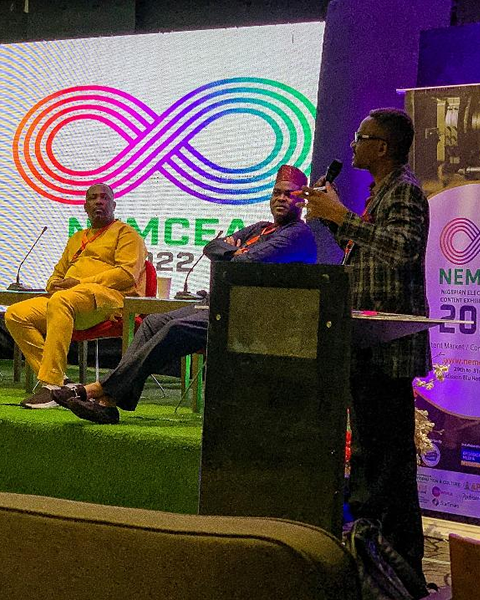
Conferences
The conference will bring together more than 2000 participants that are content creators, production, acquisition, commissioning, aggregators and marketing executives from production houses, advertising, pay-tv, broadcasting and streaming platforms.
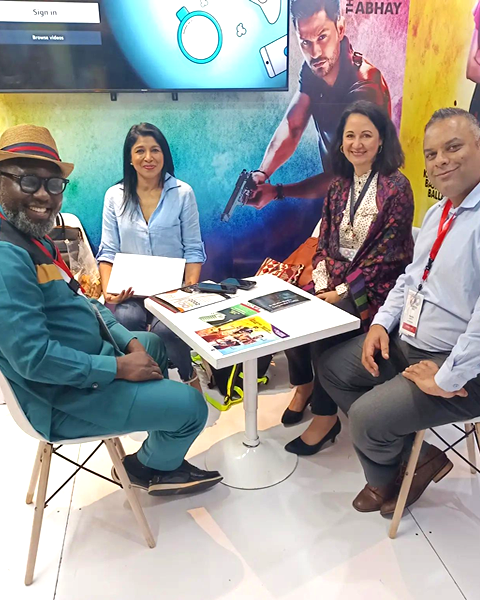
Content Market
NEMCEA, which would be a yearly event, is bringing together stakeholders across media, not just television but radio, online, and movie makers within and outside the country to buy, sell, collaborate, aggregate, exchange ideas on content and also bring to fore issues and perspectives bordering on the media industry in Nigeria and across Africa as a whole

Awards
NEMCEA ‘The Awards’ would reward achievements in prime time TV/Radio and Online performances by all stakeholders; to reward content and productions that are educational, innovative, locally relevant, and reflective of African/Nigeria’s common values and cultural diversity and to reward production firms/producers whose content has been outstanding over the year(s) under consideration thereby promoting not just the actors and the content in itself but the content owners.
NEMCEA 2023
Nigeria’s No.1 Market Place for the discovery and exchange of TV, Radio and Electronic Media Content. NEMCEA will help put Lagos, the host city, where the government wants it to be: at par with the other great film festival cities of the world, where people at home and abroad can come to find expertise and resources for electronic media content

“NEMCEA would bring together global stakeholders in the media industry within and outside Nigeria to buy, sell, collaborate and exchange ideas on content.”
Jibe Ologeh, EMCOAN President
NEMCEA Key Dates
- Awards Submission Entry close: 22nd, July, 2023
- World Press Conference: 8th, August, 2023
- Nominees Unveil: 8th, August, 2023
- Exhibition/Conference/Awards: 22nd, 23rd, 24th Aug. ’23
NEMCEA 2023 Speakers
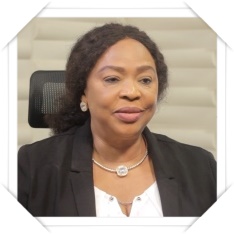
Mrs. Jibe Ologeh
President, EMCOAN, & CEO, RWells Media Group
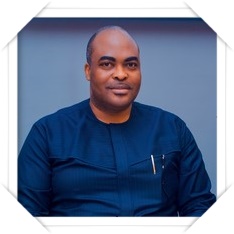
Chief Emeka Ossai
Filmmaker/Producer, CEO, Golden Pyramid Productions Ltd.
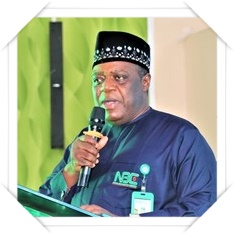
Mallam Balarabe Ilela
Director General, National Broadcasting Commission
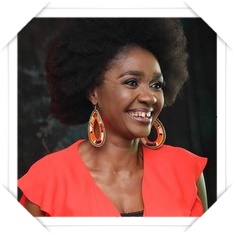
Nneka Isaac-Moses
Managing Director, Goge Africa Worldwide Ltd.
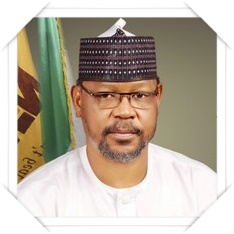
Mr. Salihu Abdulhamid Dembos
Director General, Nigeria Television Authority (NTA)
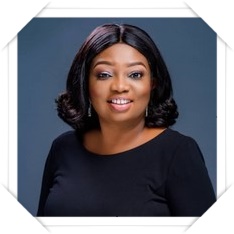
Agatha Amata
Media Entrepreneur, CEO, Inside Out Media Ltd.
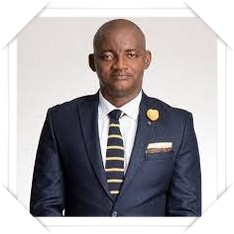
Dr. Olalekan Fadolapo
CEO/Registrar, ARCON
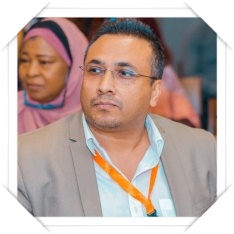
Somnath Malakar
CEO for Sub-Saharan Africa and Indian Ocean islands at ZEE Entertainment Ltd.
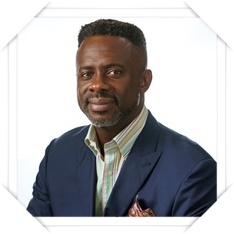
Obinna Okerekeocha
Director of Content, Moniepoint Incorporated (Formerly TeamApt Limited)
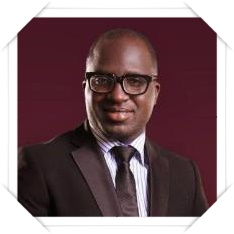
Adeleye Fabusoro, PhD., MBA FIIHP
Creative Entrepreneur/ UN Consultant/ TED Speaker- MD, Rare Edge Media Ltd.
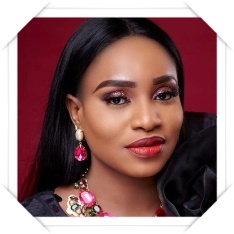
Shileola Ibironke
MD/CEO, Micromedia Group of Companies
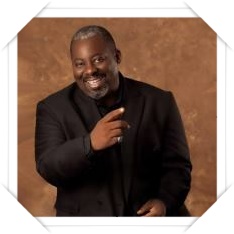
Obi Asika
Founder/Chairman, Dragon Africa
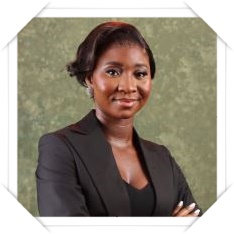
Omolade Omotayo
Head of Business and Strategy Kraks Media Limited
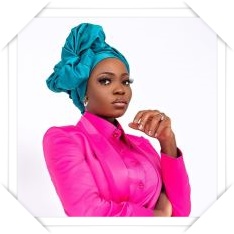
Maryam Apaokagi-Greene a.k.a Taaooma
Content Creator/Social Media Influencer
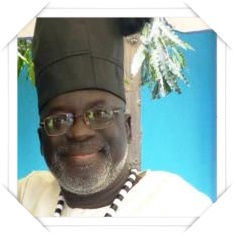
Dr. Tunji Sotimirin
Performing Artist & Lecturer, Creative Art Department, University of Lagos (UNILAG)
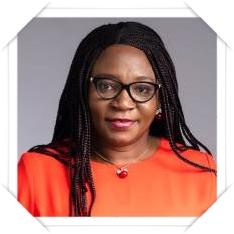
Franca Aiyetan
Director, Broadcast Monitoring, National Broadcasting Commission (NBC)
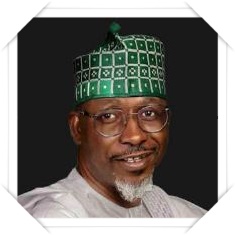
Alhaji Adedayo Thomas
xecutive Director/CEO, National Film And Video Censors Board (NFVCB)
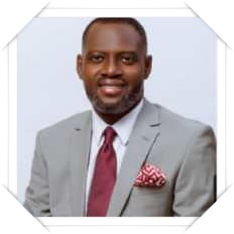
Femi Adelusi
GMD, Brand Eye/BrainBox Nigeria & President, Media Independent Practitioners Association of Nigeria (MIPAN)
Collaborate & Exchange Ideas
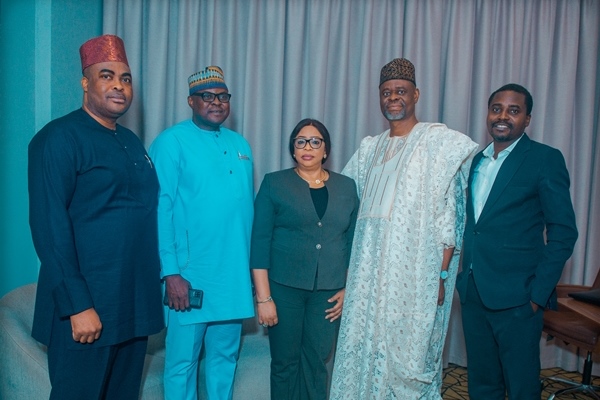
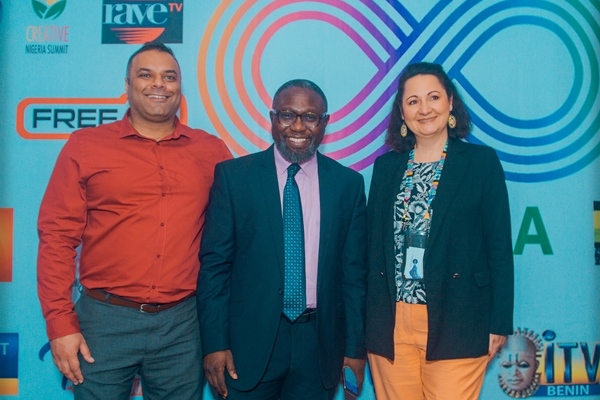
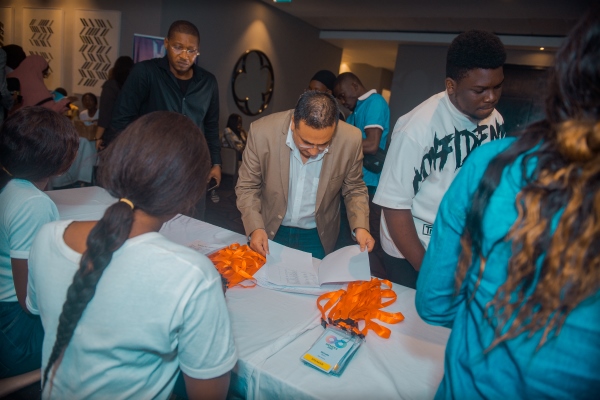
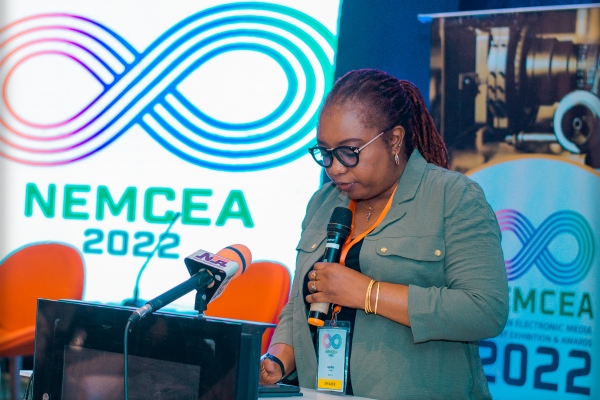
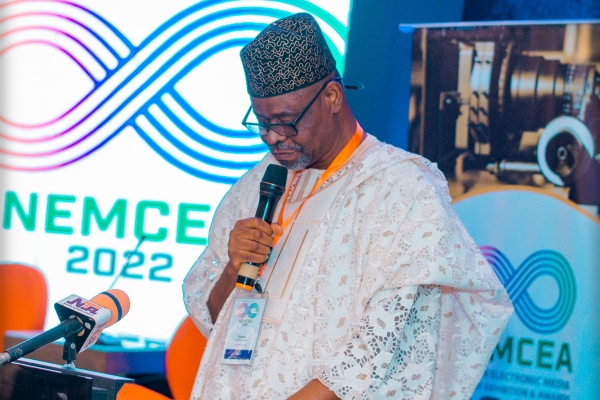
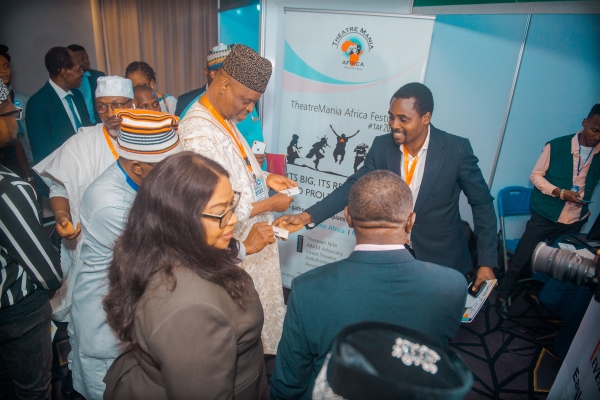
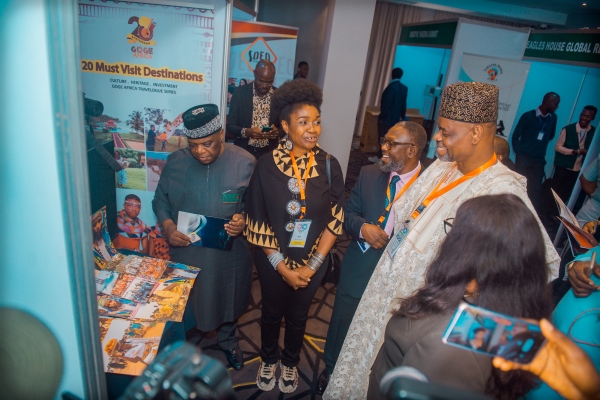
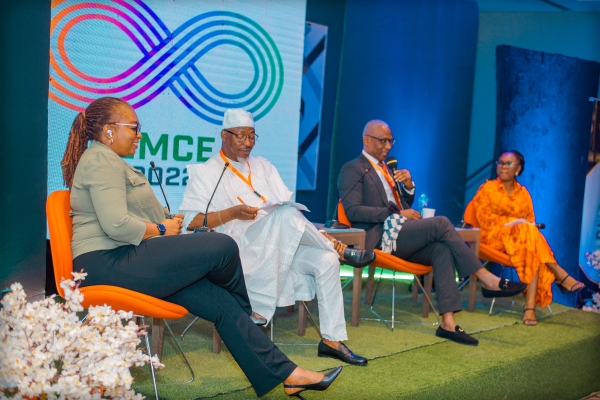
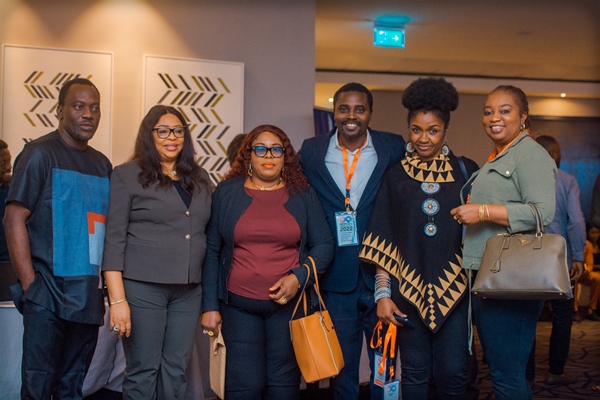
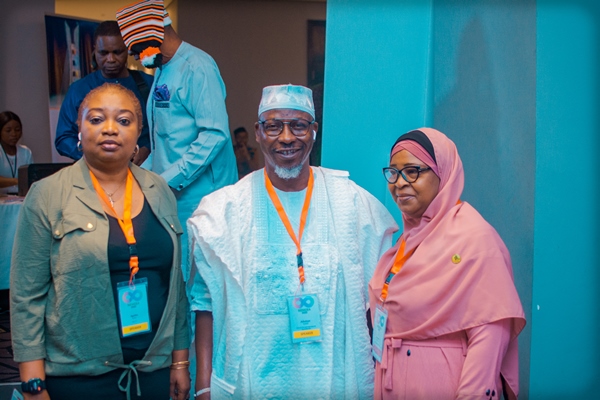
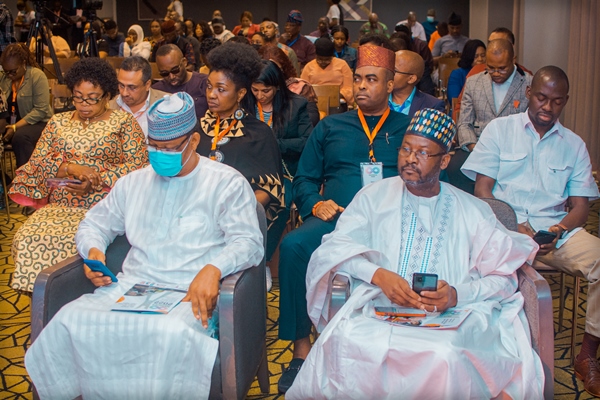
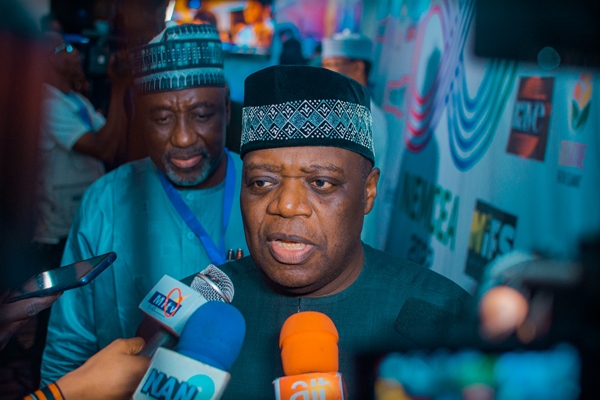
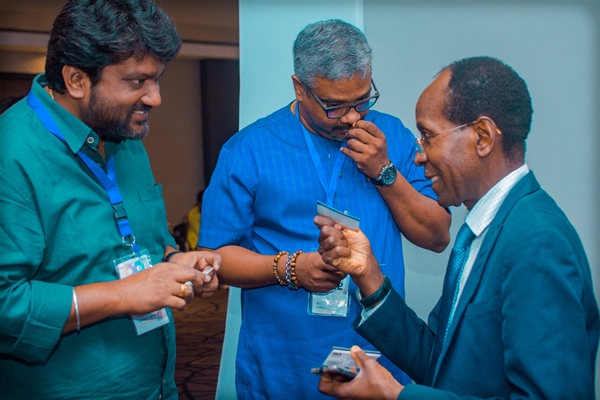
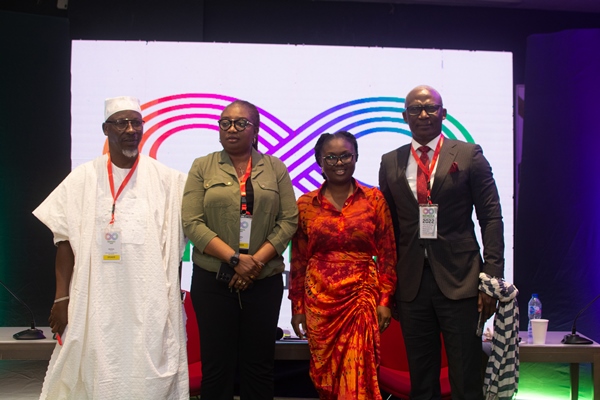
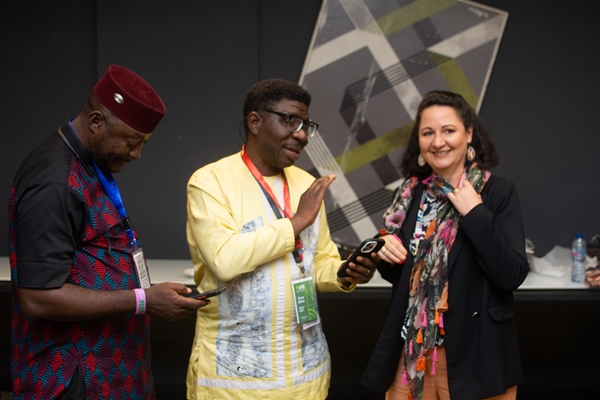
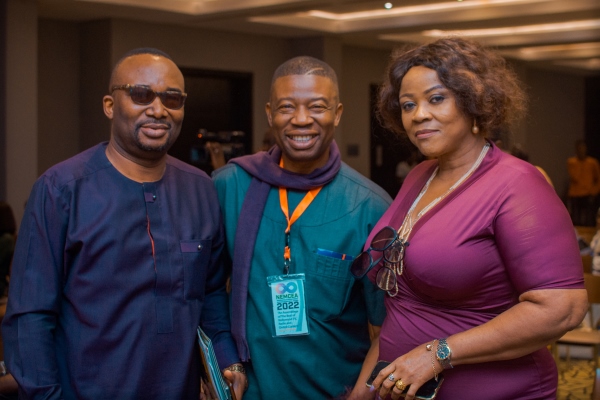
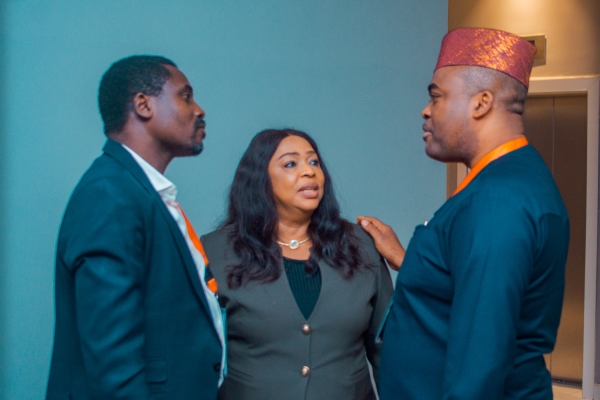
NEMCEA is a strategic annual Media content event that brings together global stakeholders in the Media industry within and outside Nigeria to buy, sell, collaborate, aggregate, exchange ideas on content, and also bring to fore – issues and perspectives bordering on the media industry in Nigeria in particular, and across Africa as a whole. Started in 2022, and it is of great importance to note that the maiden edition was off the roof in terms of quality of participation, engagement, business layout, content acquisition processes, submission for the awards, and other layers of marker of a successful event.
SPONSORING PARTNERS
INDUSTRY PARTNERS
MEDIA PARTNERS

SPECIAL GUEST OF HONOUR
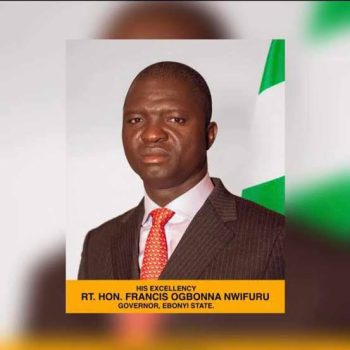
Special Guest of Honour: His Excellency Rt. Hon. BLDR. Nwifuru Francis Ogbonna, The Executive Governor, Ebonyi State
Event Venue
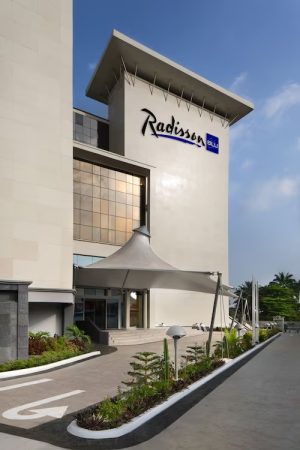
Radisson Blu Hotel
38 Isaac John St, Ikeja GRA 100271, Lagos
https://www.radissonhotels.com
Register Now
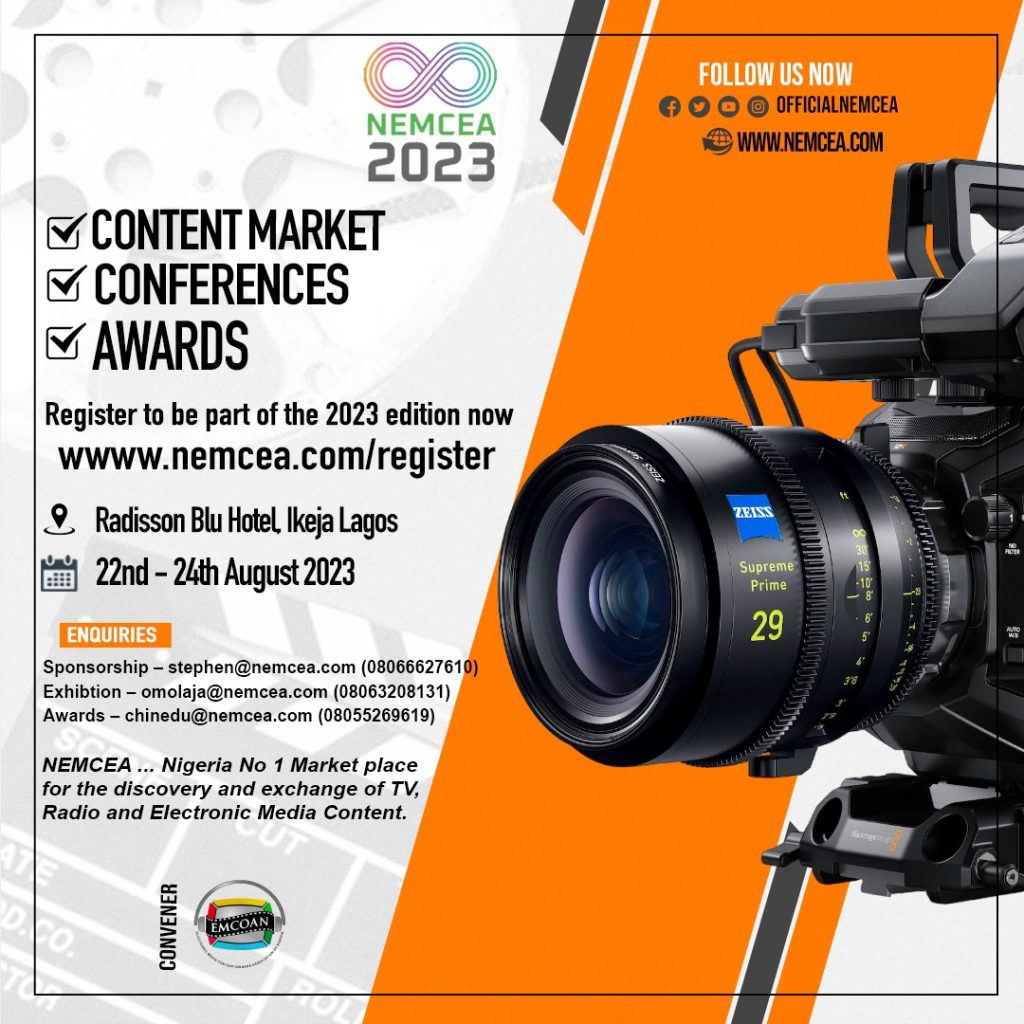
Register to Attend, Sponsor, Exhibit, Buy, Report, Volunteer
Just like the maiden edition in 2022, NEMCEA 2023 is expected to have hundreds of delegates attending the market from Africa, Europe, the USA, Latin America, Asia, and the 36 states of Nigeria who wish to buy content from Nigeria or distribute their content into Nigeria, Africa and outside the shores of the continent.
Register now to take full advantage.